
 Posted Bylouise
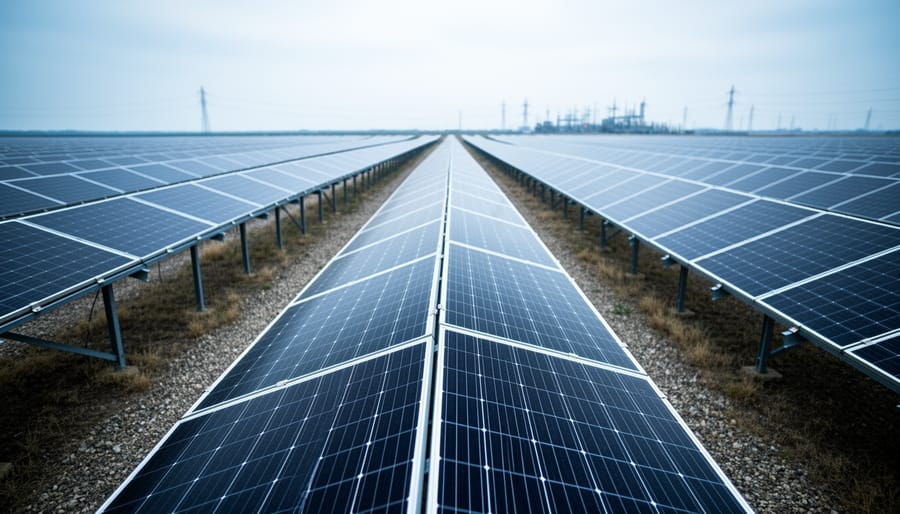
NTPC has secured a contract for a 1.9-gigawatt solar power plant, a new award the Indian energy company will use to move toward its 2032 targets. For anyone tracking large-scale solar procurement, that’s the headline. The context is just as useful.
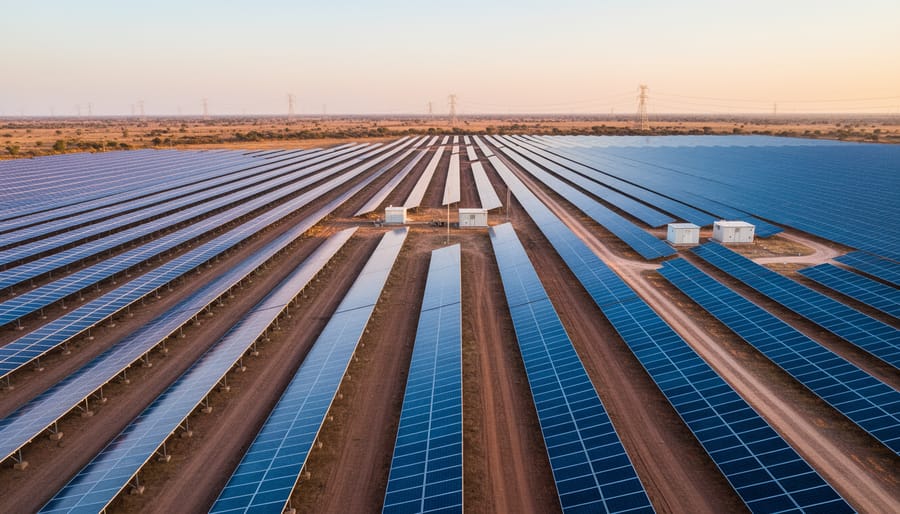
2032 is also the deadline Saudi Arabia has set for its own push. Riyadh plans to add 54.1GW of solar energy by then and to generate 50% of its electricity from nuclear, solar and other renewable sources. The King Abdullah City for Atomic and Renewable Energy (KACARE) will run the programme, with developers signing 20-year contracts to sell power to a new government body.
Two of the world’s most closely watched solar pipelines are now converging on the same year. Below, we break down what changed with the NTPC contract, the key developments behind it, why it matters for the industry, and what to watch next as KACARE’s stated timeline plays out.
What Changed: NTPC Secures a 1.9GW Solar Contract
Indian energy company NTPC has secured a contract for a 1.9-gigawatt solar power plant. According to the NTPC 1.9GW solar contract report, this is a new solar power contract intended to help NTPC reach its 2032 targets. That framing is the core of the story: the award is positioned as one step in a longer capacity push, not a standalone project announcement.
For scale, a gigawatt is one billion watts, or 1,000 megawatts. A 1.9GW plant is a utility-scale installation, far larger than rooftop or commercial arrays, and the kind of capacity a large power producer counts toward its renewable pipeline rather than a single site’s output.
The limits of what is confirmed matter here. The verified research establishes the contract scope and its link to NTPC’s 2032 goals, and nothing more. It does not confirm the contract value, the plant’s location, the counterparty, or any delivery or commissioning dates, so this article does not state them. Readers who need those details should wait for further disclosures rather than rely on figures circulating without a clear source.
Key Developments Shaping the 2032 Solar Picture
1. NTPC Locks In a 1.9GW Solar Power Plant Contract
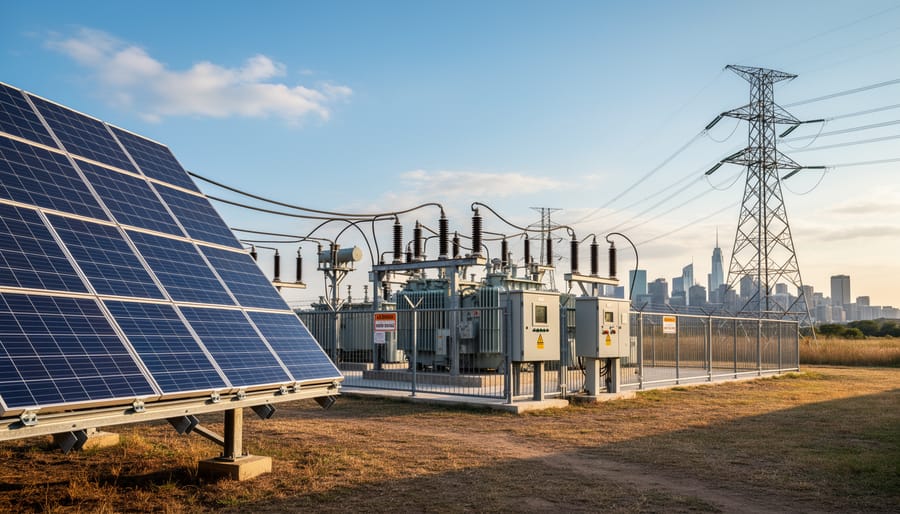
NTPC has secured a contract for a 1.9-gigawatt solar power plant, and the company frames it as a new solar power contract that helps it reach its 2032 targets. That framing is the core of the development: this is an award tied to a stated long-range goal, not a standalone project announcement.
For scale, 1.9GW is utility-grade capacity. A single plant of this size would be a meaningful addition to the renewable pipeline of a large power producer, which is why the award matters beyond the headline number.
The verified details stop there. The research behind this update does not confirm a contract value, a site, the counterparty or a delivery schedule, and it does not state NTPC’s total renewable capacity or how much of its 2032 target this plant covers. Treat any figures beyond the 1.9GW as unconfirmed until NTPC or the parties involved publish them. What the contract does establish is direction: NTPC is committing real project capacity toward its 2032 objectives.
2. Saudi Arabia Targets an Additional 54.1GW of Solar by 2032
Saudi Arabia has announced plans to produce an additional 54.1GW solar by 2032. That is a national programme in its own right, and it is separate from NTPC’s contract. The two stories share a target year, not a project, a buyer or a counterparty.
Why include it? For anyone tracking solar markets in the Kingdom, the figure is a useful benchmark. It shows the scale of capacity the country intends to add before the end of the decade, and it frames the procurement activity now taking shape around it.
Keep the comparison in perspective. NTPC’s 1.9GW plant and Saudi Arabia’s 54.1GW target sit in different markets under different frameworks, so read them side by side only as indicators of how seriously large players are pursuing 2032 goals.
3. Riyadh’s 50% Clean Electricity Goal and the KACARE Programme
Riyadh has announced plans to generate 50% of its electricity from nuclear, solar and other renewable sources by 2032. That is a national power-mix target, separate from NTPC’s contract, but it shows how seriously the Kingdom is treating the same timeline.
Responsibility for delivery sits with the King Abdullah City for Atomic and Renewable Energy, known as KACARE. In practice, KACARE is the government body that develops and oversees the country’s atomic and renewable energy programme. It is KACARE responsible for programme delivery, which means it sets the procurement pace that developers and suppliers will work to.
For readers tracking solar demand, the useful point is who is in charge. A single named authority owning the programme makes the sequence of pre-qualification, tender and award easier to follow, and the next section on procurement shows how that sequence is meant to run.
4. The Procurement Model: 20-Year Contracts and a New Government Buyer
Under the Saudi programme, renewable power developers will sign 20-year contracts to sell electricity to a new government body. In practice, this is a long-term offtake model: one creditworthy buyer commits to purchase the output of a project for two decades. For project financing, that matters a great deal. Lenders and investors want predictable revenue before they commit capital, and a fixed, long-dated purchase agreement gives them a clearer view of cash flow over the life of the debt. That lowers perceived risk and can make large solar builds easier to fund.
The procurement pipeline is already moving. The SPPC has launched a request for qualifications, and the SPPC 5.3GW solar tender covers 5.3GW of new renewable capacity, with solar accounting for 3.1GW of that total.
For quick reference, the verified figures discussed so far:
- NTPC has secured a 1.9GW solar power plant contract.
- Saudi Arabia plans an additional 54.1GW of solar by 2032.
- Riyadh targets 50% clean electricity by 2032.
- Developers will hold 20-year contracts to sell power.
- The SPPC request for qualifications covers 5.3GW, including 3.1GW of solar.
Keep in mind that the NTPC award and the Saudi procurement are separate programmes. They share a 2032 horizon, but nothing confirms a link between them.
Why It Matters for Solar Industry Decision-Makers
A utility-scale award tied to a 2032 target tells the market something specific: large buyers are committing to long-dated solar capacity. For developers, EPC contractors, equipment suppliers and financiers, a 1.9GW plant is the kind of pipeline signal that shapes hiring, procurement and capital planning well before construction begins. We don’t know the contract’s value, counterparties or schedule, so the useful takeaway is the direction of demand, not the commercial details.
The Saudi side matters to the same audience for different reasons. The SPPC’s request for qualifications covers 5.3GW of new renewable capacity, with solar accounting for 3.1GW, and developers will have 20-year contracts to sell electricity to a new government body. Long-term offtake of that kind is what lenders look for when deciding whether a project is bankable. With KACARE aiming to move from pre-qualification to contract awards within a year, firms that want a seat at the table need to prepare early.
Pipelines this size also raise practical questions about equipment availability and sourcing, so it is worth understanding the supply chain risks before bidding. And because these decisions are made by a relatively small group of buyers and financiers, companies that stay visible through consistent industry engagement are better placed to be considered when procurement windows open.
What to Watch Next as the 2032 Deadlines Approach
The next stretch of this story is defined less by what has happened than by what has been promised. KACARE has said it aims to issue a request for pre-qualification for the first renewable plants within two months, follow with a final tender within three months, and award contracts within a year. Those are stated aims, not confirmed outcomes, so treat the timetable as a yardstick for progress rather than a guarantee.
For anyone tracking the wider market, it helps to compare each announced step against what actually appears. A pre-qualification request would show which developers are being invited to compete, while a final tender would reveal how projects are structured and evaluated. Contract awards, if they arrive on schedule, would be the clearest signal that the 20-year offtake model is attracting bidders. Our guide to what to watch in 2026 covers how to read funding and procurement signals like these.
On the NTPC side, the contract for the 1.9-gigawatt plant has been framed as support for its 2032 targets, but further specifics have not been confirmed. Watch for official updates that clarify scope, timing and delivery, and for any follow-on awards that build on this one.

Frequently Asked Questions About the NTPC Solar Contract
What is the NTPC solar contract?
Indian energy company NTPC has secured a contract for a 1.9-gigawatt solar power plant. It is described as a new solar power contract to help NTPC reach its 2032 targets. Further details were not part of the verified research, so none are stated here.
How large is 1.9GW?
One gigawatt equals 1,000 megawatts, so 1.9GW is 1,900 megawatts of generating capacity. That marks it as a utility-scale project rather than a small installation.
Is the Saudi 2032 programme related to the NTPC contract?
No link has been confirmed. Saudi Arabia’s plan to add 54.1GW of solar by 2032, alongside a goal of 50% of electricity from nuclear, solar and other renewables, is a separate national programme that shares only the target year.
What is KACARE?
KACARE is the King Abdullah City for Atomic and Renewable Energy, the body responsible for the Saudi programme. It has said it aims to issue a pre-qualification request within two months, a final tender within three, and award contracts within a year.
Anyone tracking “solar ntp” should treat these answers as a snapshot of confirmed facts. Where details such as contract value or location are missing, that reflects the limits of the verified record rather than an oversight.
NTPC’s 1.9GW solar contract, tied to its 2032 targets, is the headline change, and it signals continued momentum for utility-scale solar. For developers, suppliers and financiers, a single award on this scale shows where demand is heading, while Saudi Arabia’s separate 2032 programme points the same way.
Several milestones are worth tracking. KACARE has said it aims to issue a pre-qualification request within two months, a final tender within three, and contract awards within a year. Those are stated aims, not confirmed outcomes. Further details on the NTPC contract may also emerge, so keep watching both stories.